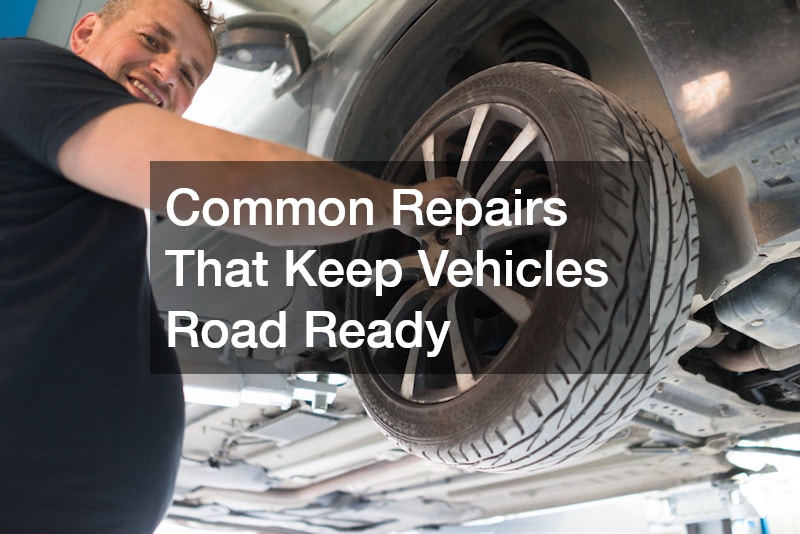
Most drivers make the mistake of defaulting to a single point of contact for every single automotive emergency. They call their dealership, a generic towing service, or whatever neighborhood garage happens to be closest. Unfortunately, treating automotive care as a one-size-fits-all industry usually results in paying premium prices for basic services or waiting hours for specialized help.
Key Fob Glitches and Lockouts
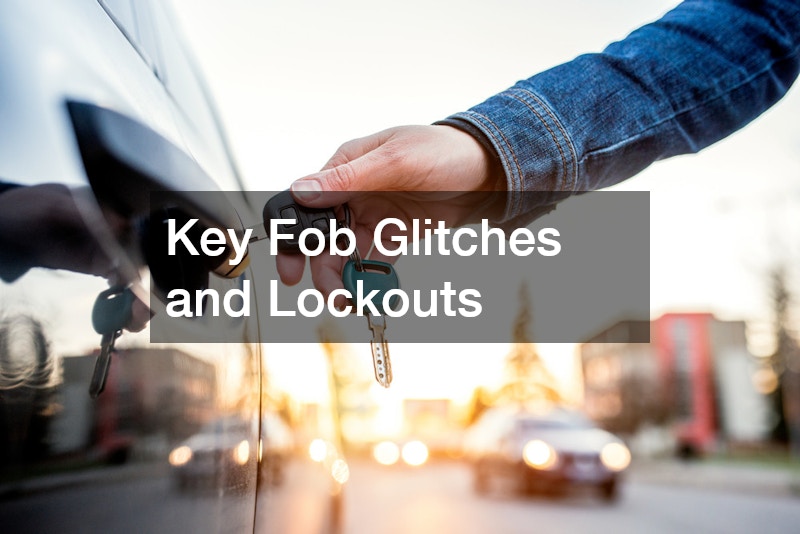
Modern vehicles have essentially transformed into rolling computers, particularly our vehicle entry systems. The days of a simple metal key are largely gone. Today, we rely on proximity fobs, transponder chips, and complex rolling-code security systems to unlock our doors and enable our ignitions. While these advancements have drastically reduced vehicle theft, they have introduced a completely new category of technical failures that can leave you stranded in your own driveway.
Handling Car Access and Security System Issues
When your vehicle refuses to recognize your key, or when you find yourself peering through the window at a set of keys resting on the driver’s seat, your immediate instinct might be to call the local dealership. However, dealerships often require you to flatbed tow the vehicle to their service bay, after which they will charge you premium labor rates alongside an inflated markup for a replacement fob.
Before you arrange an expensive tow, implement a few troubleshooting protocols:
-
Check for a hidden mechanical override key. Almost every smart fob contains a physical metal key hidden inside its plastic housing. Look for a small slide release on the back of the fob to slide the emergency key out.
-
Find the hidden door handle lock. Many modern cars conceal the physical keyhole beneath a small plastic cap on the driver’s door handle. Look closely at the underside of the handle piece for a small slot where your mechanical key can gently pop the plastic cover off.
If troubleshooting fails and you need immediate on-site assistance, skip the dealer entirely and contact a mobile auto locksmith instead. These specialized professionals carry advanced diagnostic and programming computers directly in their service vans. They can drive out to your stranded location, bypass a frozen security system, cut a physical key on the spot, and program a brand-new transponder fob right from the shoulder of the highway. By using a dedicated specialist, you avoid the cost of a flatbed tow and typically cut your total replacement expenses in half.
Routine Maintenance and Engine Diagnostics
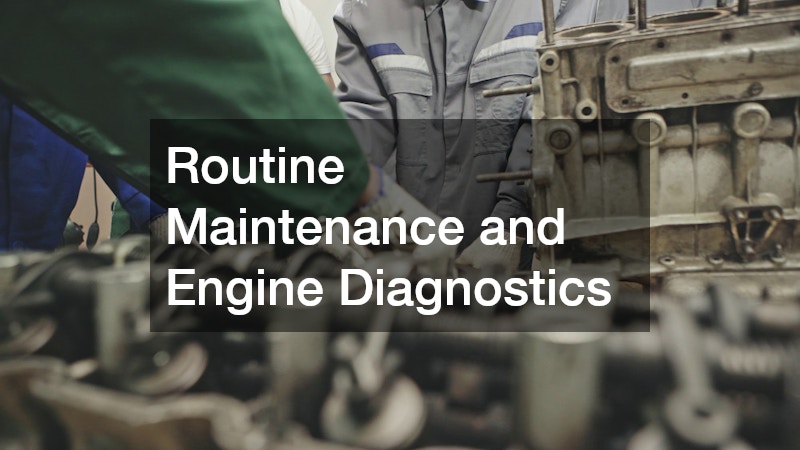
Underneath the sleek sheet metal of your daily driver lies an intricate web of mechanical systems, hydraulic lines, and moving parts operating under intense heat and pressure. Over time, these components inevitably wear out. You might notice a sharp squeal whenever you apply the brakes, see a worrisome puddle of bright green fluid accumulating on your garage floor, or feel a strange shudder through the steering wheel when driving at highway speeds.
Navigating General Mechanical Breakdowns and Noises
For standard mechanical wear, complex engine diagnostics, or routine fluid changes, independent mechanic shops are your best point of contact. While a dealership is necessary for handling factory recall notices or executing repairs covered under a brand-new vehicle warranty, independent garages offer identical mechanical component warranties at a fraction of the labor cost.
To get the most out of your visit to a general repair facility and prevent diagnostic fees from skyrocketing, adopt a proactive communication strategy:
-
Create a detailed symptom log before you call the garage. Note whether a squeal occurs only when the brakes are cold in the morning or if it gets worse after long periods of driving.
-
Pay attention to vehicle speed and engine RPM. Note whether a strange vibration is tied to how fast the vehicle is traveling across the ground, or if it happens when the car is completely stationary.
Sourcing Assistance for Compression-Ignition Powertrains
While general garages are perfect for everyday passenger vehicles, certain engine types require a completely different realm of technical expertise. If you operate a heavy-duty work truck or a large transport van, its inner workings vary wildly from a standard gasoline engine.
For these vehicles, attempting to save money at a generic neighborhood garage can backfire. Standard passenger car technicians rarely possess the specialized diagnostic software or heavy-duty tooling required to properly service high-pressure fuel rails, complex glow-plug arrays, or modern emissions equipment.
When your heavy-duty utility vehicle or transport van starts blowing thick smoke, losing boost pressure, or refusing to start in freezing weather, you need to bypass standard garages entirely. Look for a dedicated diesel repair shop that employs master technicians specifically certified in compression-ignition systems. These specialists understand the extreme tolerances of high-pressure common rail injection systems and can accurately pinpoint complex sensor faults without resorting to expensive, speculative parts-changing.
Sheet Metal Damage and Styling Preservations
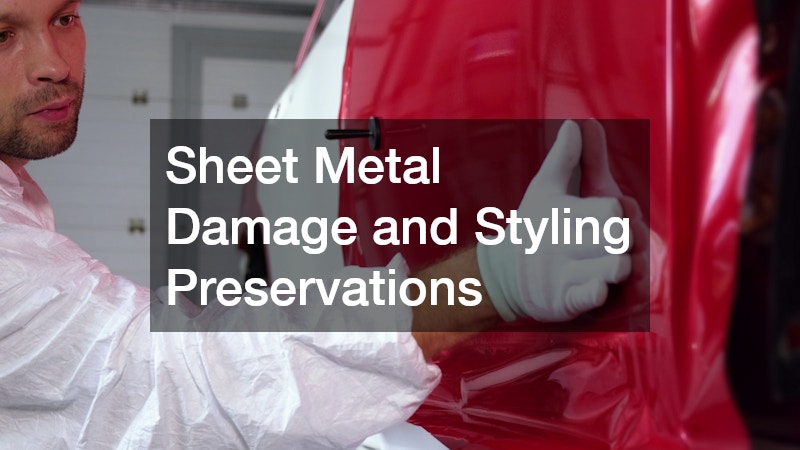
Automotive damage is not always mechanical. Sometimes, the car runs beautifully, but its exterior takes a beating. The cosmetic health of your vehicle requires an entirely different subset of professionals than those who swap out alternators or replace brake pads. Whether you are dealing with structural damage from a minor collision or you simply want to alter the visual aesthetic of your pride and joy, choosing the right exterior specialist is paramount.
Restoring Your Vehicle’s Exterior Form and Structure
When structural damage occurs, such as a crumpled fender, a twisted bumper, or a deep scratch that cuts entirely through the clear coat down to the bare steel, your destination must be a professional auto body repair service. These specialized facilities focus entirely on the structural integrity, panel alignment, and aesthetic finish of your car’s outer shell.
When dealing with structural or paint restoration facilities, consider these operational tips:
-
Ask about Paintless Dent Repair options. If your car has sustained a ding from a rogue shopping cart or a minor hail storm, but the paint surface remains completely unbroken, a skilled technician can often massage the metal back into its original shape from behind the panel.
-
Verify structural calibration. Modern bumpers are packed with radar sensors, cameras, and ultrasonic parking aids. Ensure that any facility repairing your exterior panels has the electronic tools required to recalibrate these driver-assistance systems after reassembly.
Preserving Surfaces and Implementing Custom Aesthetics
Exterior care isn’t always about fixing damage; sometimes it is about preventing it or personalizing your vehicle’s look. If you have just purchased a brand-new vehicle and want to shield its flawless factory paint from the onslaught of highway rock chips, bugs, and minor abrasions, you should seek out an advanced styling studio.
For the ultimate layer of invisible armor, ask a vehicle styling specialist about installing a premium color ppf over your vehicle’s panels. This specialized material functions as a thick, energy-absorbent polyurethane barrier that features self-healing properties, meaning minor swirls and scratches will vanish when exposed to the heat of the sun, all while giving you the option to completely change the color of your ride.
If your primary goal is absolute visual customization, intricate graphics, or business advertising, you will want to ask the studio about high-quality vinyl car wraps. Vinyl films allow for endless creativity, offering everything from brushed metallic finishes to full-scale printed marketing designs. Both options provide the added benefit of preserving your underlying original paint, allowing you to peel the film off years later to reveal a pristine surface underneath.
Minor Component Swaps and Do-It-Yourself Fixes
Not every vehicular issue requires a highly paid professional or a formal appointment at a commercial garage. There is a wide middle ground of minor maintenance tasks that look intimidating to the uninitiated but are actually incredibly simple to execute with minimal guidance. Learning to handle these basic components yourself will save you thousands of dollars over your driving lifetime.
Utilizing Convenient Counter Services for Basic Replacements
When a headlight bulb goes dark, a windshield wiper begins leaving massive, dangerous streaks across your field of vision, or your engine struggles to crank over on a freezing winter morning, you do not need to schedule a service visit. Paying a commercial garage a steep diagnostic fee just to swap out an easily accessible consumable part is an unnecessary drain on your wallet.
For these minor issues, your best course of action is to drive directly to a local auto parts retailer. These storefronts are much more than simple shelves filled with fluids; they serve as excellent hubs for resource-conscious drivers.
To maximize the value of these parts hubs, keep these helpful tips in mind:
-
Take advantage of free diagnostic code scanning. If your check engine light is illuminated but your car is running normally, a counter representative can plug a scanning tool into your dashboard link to read the fault code completely free of charge.
-
Utilize complimentary installation assistance. Most major parts chains will gladly install your newly purchased windshield wiper blades, replacement headlight bulbs, or even a fresh car battery right there in the parking lot at no extra charge.
Post-Collision Medical and Legal Logistics

The moments immediately following a vehicular accident are chaotic, disorienting, and flooded with adrenaline. Whether it was a violent highway collision or a moderate T-bone incident at a city intersection, your body’s natural fight-or-flight response will temporarily shield you from reality. In this highly vulnerable state, making the wrong calls can ruin your physical recovery and leave you financially devastated by medical bills and property losses.
Managing Legal Protection and Personal Wellness After a Crash
Once the physical vehicles are safely moved out of the flow of traffic and emergency services have been notified, your focus must instantly split into two parallel tracks: immediate medical documentation and robust legal protection.
The human body is resilient, but it is not designed to absorb the sudden kinetic energy of a multi-ton metal impact. Adrenaline is a powerful evolutionary painkiller, which means a serious auto accident injury like whiplash, soft-tissue tearing, or internal bruising may not become painful until twenty-four or forty-eight hours after the crash. Never tell an investigating officer or the other driver that you are completely fine at the scene. Seek a comprehensive medical evaluation immediately to establish an undeniable timeline linking your physical condition to the event.
While you focus on physical healing, you must simultaneously shield yourself from the aggressive tactics of insurance adjusters. Insurance corporations operate on a business model designed to minimize payouts and close files as cheaply as possible. They will often call you within hours of a crash, offering a seemingly quick cash settlement in exchange for a recorded statement or a signed liability waiver.
Before you speak to an insurance representative or accept any initial offers, schedule a consultation with qualified accident attorneys. A specialized legal professional will take over all communication with the insurance companies, preserve critical scene evidence like traffic camera footage, and fight to ensure that your long-term medical rehabilitation, lost wages, and vehicle replacement values are compensated in full.
Resolving Issues with Inoperable or Costly Vehicles
Every automobile eventually reaches a point in its lifecycle where it transitions from a reliable asset into an exhausting financial burden. It is the classic tipping point of vehicle ownership: your transmission suddenly fails on a car that is only worth a couple of thousand dollars, or a vehicle sits rotting in your driveway, accumulating rust alongside costly neighborhood association fines. Knowing when to stop throwing good money after bad is a crucial part of smart financial management.
Offloading a Totaled or Unreliable Automobile Efficiently
Determining when to walk away from an unrepairable vehicle requires a cold, analytical look at the numbers. As a general rule of thumb, if the cost of a single major mechanical repair exceeds fifty percent of the vehicle’s total resale value, or if the cumulative repair bills over the course of a single year surpass the cost of twelve monthly payments on a newer, fully warrantied automobile, your car has officially become a money pit.
Once you decide to sever ties with an unreliable or completely broken-down vehicle, you need an offloading strategy that doesn’t involve wasting weeks of your valuable time. Trying to sell a non-running or heavily damaged car on public online classified sites is an absolute nightmare. You will inevitably spend days dodging online scammers, filtering out ridiculous lowball offers, and waiting for potential buyers who fail to show up for appointments.
To bypass this headache completely, look for established commercial car-buying networks that explicitly advertise services to sell cars for cash quickly. These high-volume operations don’t care if your vehicle has a blown head gasket, a seized engine, or a crumpled frame. They will typically provide you with an instant, guaranteed evaluation quote either online or over a brief phone call. If you accept the offer, they will dispatch a flatbed tow truck to your property completely free of charge, verify your vehicle title, hook up the automobile, and hand you a check or direct payment on the spot within twenty-four hours.
Navigating the complex world of automotive issues does not have to be an overwhelming or financially draining experience. The secret to minimizing stress during a vehicle crisis lies entirely in your ability to categorize the problem accurately and deploy the correct specialist for the job. By understanding the clear boundaries that separate a mobile diagnostic technician from a structural frame expert, or a retail parts resource from a dedicated litigation professional, you effectively take complete control over the situation.