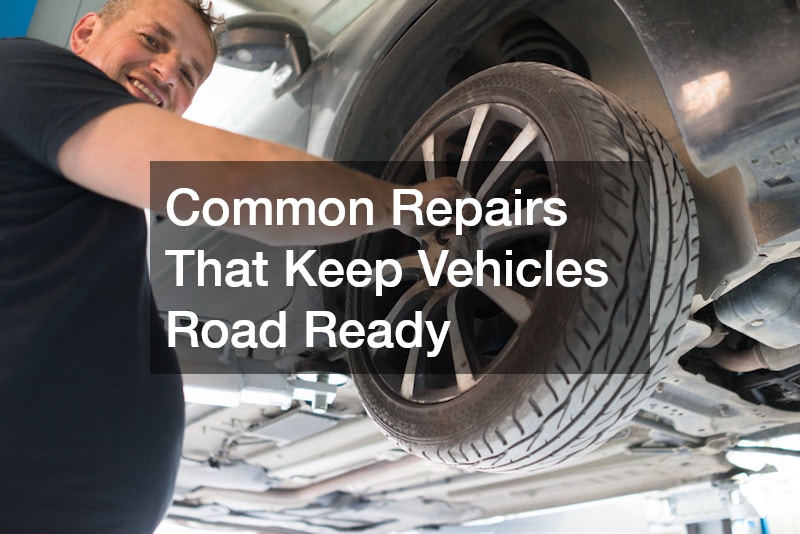
Staying road-ready is about more than waiting for something to break and then fixing it. A dependable vehicle needs consistent attention, timely inspections, and smart decisions when small problems appear.
Many drivers only think about service after a warning light turns on, a strange noise starts, or damage becomes impossible to ignore. By staying ahead of common repair needs, you can protect your vehicle’s safety, comfort, performance, and long-term value.
Check Warning Signs Before Small Problems Get Worse
Small warning signs are easy to dismiss when the vehicle still starts, drives, and stops. However, many major problems begin with subtle symptoms like a new noise, vibration, smell, leak, or dashboard light. Paying attention to these early changes can help you catch problems before they turn into stressful breakdowns. It also gives you more time to compare repair options, schedule service conveniently, and avoid being forced into an emergency fix. The sooner you respond to a change in how your vehicle feels, the easier it is to protect both safety and your budget.
Timely auto repairs can help prevent minor issues from becoming larger failures. The same is true for car repairs involving brakes, steering, suspension, engine performance, electrical systems, or cooling components.
Watch for warning signs such as:
- Grinding, squealing, clunking, or rattling sounds
- Fluid spots under the vehicle
- Dashboard warning lights that keep returning
- Brakes that feel soft, noisy, or uneven
- Poor acceleration, rough idling, or a sudden drop in fuel efficiency
When you notice a symptom, write down when it happens and how often. Details like speed, weather, braking, turning, or recent driving conditions can help a technician diagnose the issue faster and avoid unnecessary guesswork. A simple note on your phone can make the repair visit more productive.
Restore Exterior Damage Before It Spreads
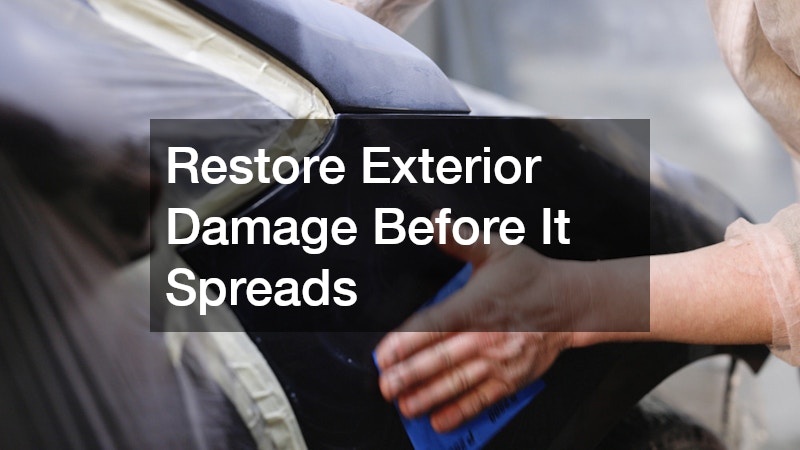
Exterior damage may look cosmetic, but it can affect safety, structure, resale value, and long-term durability. A scratched panel, cracked bumper, dented fender, or misaligned door can expose metal, trap moisture, interfere with sensors, or hide more serious damage. Even a minor impact can create issues beneath the surface that are not obvious during a quick walkaround. Damage that seems harmless today can become more expensive if rust, water intrusion, or loose components develop over time. Taking exterior problems seriously helps preserve both the appearance and function of your vehicle.
An auto body shop can inspect visible and hidden damage after an accident, scrape, storm, or road debris impact. Skilled auto body repair professionals can determine whether the vehicle needs panel repair, paint matching, part replacement, corrosion prevention, or structural attention.
Exterior issues worth addressing quickly include:
- Deep scratches that cut through paint or expose metal
- Cracked bumper covers, loose trim, or damaged molding
- Dented doors, hoods, roofs, or quarter panels
- Misaligned panels, uneven gaps, or water leaks
- Damage around lights, parking sensors, or cameras
When reviewing an estimate, ask what is being repaired and why. A clear explanation should help you understand whether the work is cosmetic, structural, safety-related, or needed to prevent rust and further damage. This also makes it easier to prioritize repairs if you are working within a budget.
Fix Small Dents While the Finish Is Intact
Dents are common and can come from hail, shopping carts, car doors, falling branches, sports equipment, or light impacts. Even when they do not affect drivability, they can reduce resale value and make a well-kept vehicle look neglected. Addressing dents early can also prevent surface damage from becoming more difficult to repair later. Small dents are often easier to fix before the paint cracks, the panel stretches further, or moisture reaches exposed areas. Quick attention can help your vehicle maintain a cleaner appearance with less invasive work.
If the paint is still intact and the dent is shallow enough, paintless dent removal may be an effective option. This method can preserve the original finish by reshaping the panel without sanding, filling, or repainting.
This repair option may help when:
- The paint has not cracked
- The dent is shallow, and the panel is structurally sound
- The damage is from hail or door dings
- The dent is not on a sharp edge or complex body line
- Preserving the factory finish is a priority
Avoid aggressive DIY dent tools if you are unsure how serious or complex the damage is. Pulling too hard or using the wrong method can crack paint, create high spots, or make the panel harder to repair professionally. A professional inspection can confirm whether the dent qualifies for a less invasive repair.
Keep Braking, Steering, and Ride Control Safe
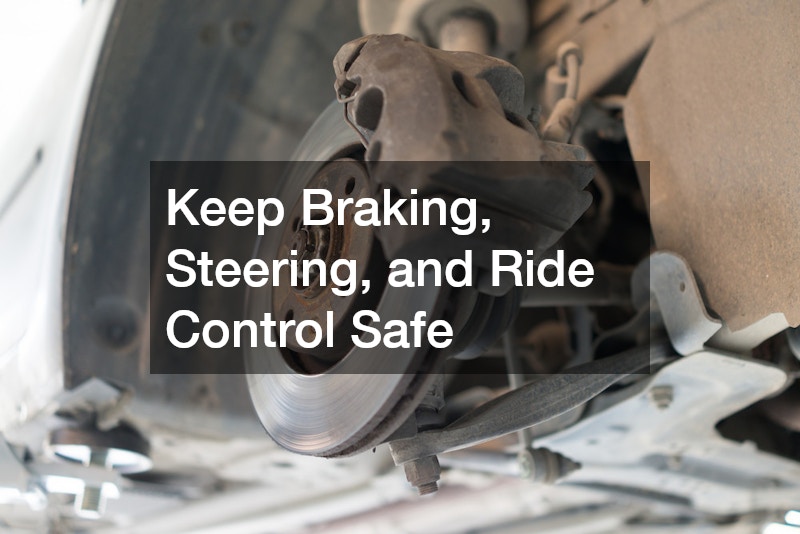
Brakes, tires, steering, and suspension directly affect how safely your vehicle stops, turns, and handles rough roads. These systems may wear down gradually, so drivers sometimes adjust to declining performance without realizing there is a problem. Because these parts are tied directly to control and stopping distance, small changes should be taken seriously. A vehicle that feels slightly loose, noisy, or uneven may become harder to manage during sudden stops or bad weather. Regular inspections help catch wear before it affects your ability to react quickly on the road.
A trusted auto mechanic can inspect these components during routine service or whenever warning signs appear. Experienced auto mechanics can check brake pads, rotors, tire wear, alignment, shocks, struts, bushings, and steering components before small issues affect control.
Watch for these symptoms:
- Squealing or grinding brakes
- A soft, spongy, or vibrating brake pedal
- Longer stopping distance or reduced traction
- Uneven tire wear or vehicle pulling to one side
- Clunking, bouncing, or steering wheel vibration
Do not delay repairs that affect braking, steering, or stability. A vehicle that wanders, pulls, bounces, or vibrates may be harder to control during sudden stops, wet conditions, or highway driving. Fixing these issues early helps protect everyone in and around the vehicle.
Use the Right Process for Advanced Vehicle Systems
Modern vehicles often include cameras, radar units, parking sensors, electric powertrains, aluminum structures, and driver-assistance features. Because of this, some repairs require more than fixing what is visibly damaged. A complete repair may need diagnostics, calibration, and safety checks to confirm the vehicle works as intended. Even a small impact can affect systems that rely on precise sensor placement or electronic communication. That is why advanced vehicles should be repaired with procedures that match their technology and design.
Tesla auto body repair may involve manufacturer-specific procedures, high-voltage safety precautions, aluminum panel considerations, sensor calibration, and post-repair system checks. Even minor bumper, windshield, mirror, or front-end damage can affect cameras and driver-assistance features.
Before approving work on an advanced vehicle, ask:
- Does this vehicle require special repair procedures?
- Will cameras, radar, or sensors need calibration?
- Are original equipment parts recommended or required?
- Is pre-repair or post-repair scanning included?
- Could the repair affect warranty coverage?
A vehicle is not always fully restored just because the panel looks good again. Diagnostics, calibration, software checks, and safety verification may be necessary to confirm the vehicle’s systems are working correctly. This extra attention helps ensure safety features respond properly when you need them.
Improve Comfort, Visibility, and Interior Condition
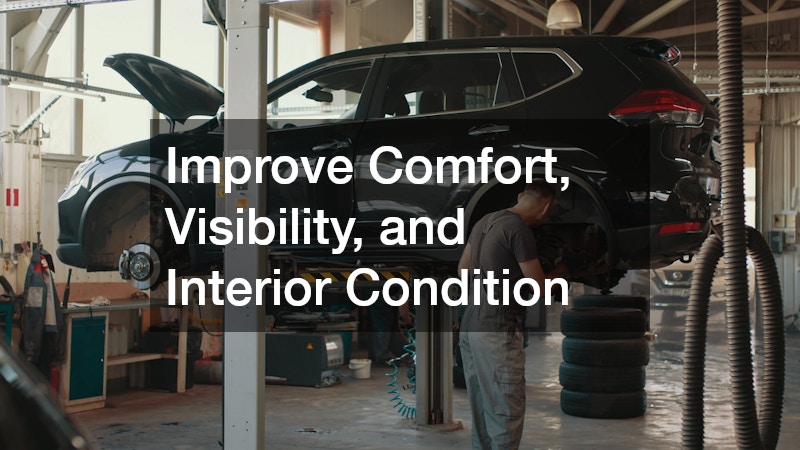
Road readiness also includes comfort, visibility, and cabin condition. A vehicle that is uncomfortable, hard to see out of, or unpleasant to sit in can make daily driving more stressful and distracting. Interior and visibility issues may seem minor, but they can affect focus, resale value, and the overall driving experience. Torn seats, glare, odors, and worn materials can make even short drives less enjoyable. Keeping the cabin in good shape helps support a safer, more comfortable time behind the wheel.
Auto upholstery services can help repair torn seats, worn leather, damaged carpeting, sagging headliners, armrest damage, and other interior wear. Professionally installed auto window tinting services may also help reduce glare, improve cabin comfort, and protect interior materials from sun exposure when installed within local legal limits.
Helpful interior and visibility updates include:
- Repairing small seat tears before they spread
- Cleaning spills quickly to prevent stains and odors
- Checking for damp carpet or musty smells after rain
- Choosing legal tint levels with UV and heat protection
- Avoiding harsh cleaners that damage interior surfaces
Cabin comfort may seem secondary, but it can influence driver focus. Keeping the interior clean, supportive, and protected helps make the vehicle safer, more comfortable, and more enjoyable to drive. It can also help preserve the vehicle’s value over time.
Build a Practical Schedule Based on Use
A vehicle used for short errands has different needs than one used for long commutes, towing, rideshare driving, mountain roads, or frequent road trips. Your maintenance plan should reflect mileage, climate, driving conditions, and vehicle age. The more closely your schedule matches your actual driving habits, the easier it is to prevent avoidable problems. A realistic plan also helps you budget for routine service instead of reacting only when something fails. By planning ahead, you can reduce downtime and keep your vehicle ready for daily use.
Start with the owner’s manual, then adjust based on how you actually drive. Stop-and-go traffic, extreme heat, dusty roads, short trips, and towing can require more frequent inspections or shorter service intervals.
A practical schedule should include:
- Monthly tire pressure and tread checks
- Exterior light and wiper blade inspections
- Seasonal battery, cooling, and heating system checks
- Brake inspections and tire rotations
- Oil changes, fluid checks, and belt inspections
Keep a simple maintenance log with dates, mileage, completed work, and technician recommendations. This helps you plan ahead, avoid missed service, and show future buyers that the vehicle was properly cared for. A consistent record can also make it easier to spot recurring problems.
Decide When to Fix, Replace, or Get Another Opinion
Not every repair decision is obvious. Sometimes the question is whether to fix the issue now, replace the part, delay a cosmetic repair, or get another opinion before approving expensive work. A clear decision-making process can help you avoid overspending while still protecting safety and reliability. It also gives you confidence when comparing estimates or asking follow-up questions. The goal is to understand what matters most now and what can be planned for later.
Start by separating urgent needs from non-urgent ones. Safety-related concerns involving brakes, tires, steering, suspension, lights, visibility, leaks, overheating, or drivability should come before appearance upgrades or comfort improvements.
Before approving a repair, ask:
- Is this issue safety-related?
- Can the vehicle be driven safely right now?
- Is replacement necessary, or is repair possible?
- Could delaying this cause additional damage?
- What warranty or part options are available?
A second opinion can be helpful when an estimate is expensive, unclear, or does not match the symptoms you noticed. Good repair decisions come from understanding the issue, prioritizing safety, and balancing cost with the vehicle’s age, value, and long-term reliability. Taking time to ask the right questions can prevent rushed choices.
Keep Your Vehicle Reliable for Every Mile Ahead
A dependable vehicle is the result of consistent care, timely repairs, and smart decision-making. Small symptoms, minor damage, worn parts, and comfort issues are all easier to handle when they are addressed early. Regular attention helps drivers avoid preventable breakdowns and feel more confident behind the wheel. It also helps protect the money you have already invested in your vehicle. When you treat maintenance as an ongoing habit, road readiness becomes much easier to manage.
Pay attention to how your vehicle sounds, feels, smells, stops, steers, and handles. When something changes, take it seriously before it becomes a larger problem.
Staying road-ready comes down to a few simple habits:
- Inspect your vehicle regularly
- Do not ignore warning signs
- Prioritize safety-related repairs
- Ask questions before approving work
- Keep maintenance records
Whether you drive daily, commute long distances, take weekend trips, or simply want to protect your investment, timely care makes every mile more predictable. A vehicle that is inspected, maintained, and repaired as needed is easier to trust every time you get behind the wheel. That confidence can make every drive feel safer and less stressful. It also helps you enjoy your vehicle more, knowing it is prepared for everyday use and unexpected trips alike.