The traditional narrative surrounding vehicle ownership usually divides garage time into two distinct categories: mechanical maintenance and cosmetic customization. For most drivers, fixing a mechanical failure is an annoying, unexpected chore born out of necessity, while upgrading the appearance or tech of a car is a passion project saved for extra weekend cash. However, treating these two practices as entirely separate workflows is an expensive mistake that wastes time, repeats labor, and drives up shop bills unnecessarily.
The modern way to approach car modification is to look for overlapping labor paths. Whenever a vehicle is disassembled for a mechanical repair, internal brackets are exposed, body panels are removed, and the interior dashboard is stripped open. This creates a highly efficient window of opportunity to complete aesthetic enhancements with almost zero additional labor hours. By shifting your mindset toward an integrated strategy, you can transform a basic daily commuter into a personalized, high-performance vehicle while maximizing every single dollar spent in the garage.
Maximizing Front-End Work: Mechanical Cooling and Visual Refinement
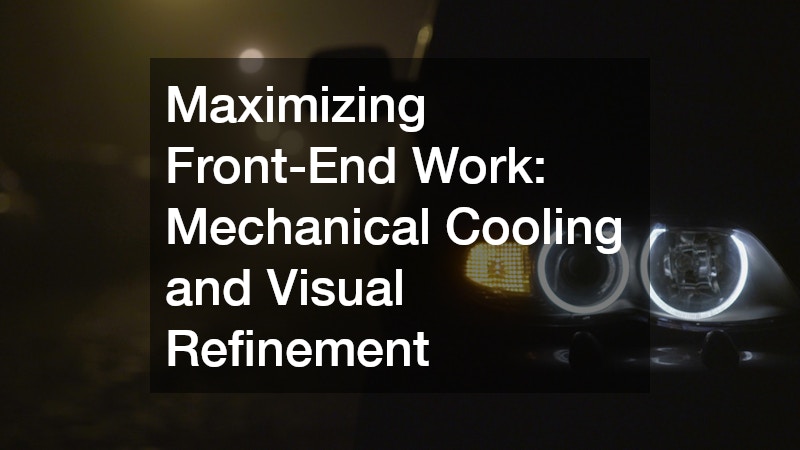
The front end of a vehicle serves as both the primary shield for critical cooling systems and the core visual signature of the vehicle’s design language. Because these components sit at the very edge of the frame, they bear the brunt of road debris, rock chips, and thermal stress. When an independent car repair becomes necessary, such as replacing a punctured radiator, swapping a leaking air conditioning condenser, or putting in a new water pump, technicians must clear away the front bumper cover, structural plastic shrouds, and factory grille assemblies just to gain access to the engine accessories.
Instead of putting back the same weathered plastic trim once the mechanical work is complete, savvy car owners utilize this open engine access to introduce functional styling enhancements. The labor to pull a bumper cover off can run upwards of two hours at standard shop rates; completing your styling upgrades simultaneously completely wipes out that duplicate expense.
- Upgrading Lighting Systems: While the front fascia is unbolted to fix a cooling leak, replace foggy, yellowed halogen headlight housings with high-intensity LED or projector units to dramatically sharpen the car’s appearance and improve night visibility.
- Integrating High-Flow Grilles: Swap out a cracked factory plastic grille for an aggressive, open-mesh aftermarket alternative that looks sporty and improves raw airflow to your newly installed radiator.
- Installing Aerodynamic Enhancements: Bolt on a lower front splitter or durable chin spoiler directly to the underside of the detached bumper, ensuring a clean, factory-level fitment that would be much more difficult to align while lying flat on your back underneath a fully assembled vehicle.
Consolidating your auto body repairs ensures that every mounting tab, plastic push pin, and wiring harness is handled exactly once. This drastically reduces the likelihood of breaking fragile plastic clips over multiple teardowns and leaves you with a vehicle that runs cooler and commands a significantly stronger presence on the road.
Streamlining Panel Swaps and Structural Restoration
Restoring wrinkled steel or cracked composite body panels after minor dings presents a completely clean canvas for visual personalization. The absolute secret to keeping exterior auto upgrades affordable is recognizing that sanding, priming, block alignment, and paint matching require the same base preparation steps whether you are restoring a vehicle to showroom stock or building a full custom machine.
When you work with a trusted used auto parts company to source replacement fenders, hoods, or trunk lids, you are frequently receiving parts in various factory colors. Rather than trying to match an aged, fading factory paint code on a single isolated panel, use collision repairs as an incentive to execute a cohesive exterior transformation.
- Sourcing Lightweight Panels: If a damaged steel hood needs to be replaced, look into matching aftermarket composite options like carbon fiber or fiberglass, which shed front-end weight to improve handling while adding an aggressive look.
- Coordinating Professional Paint Matches: Ensure that any replacement panels are aligned perfectly down to the millimeter before laying down a final finish.
- Executing Uniform Exterior Finishes: If matching the factory metallic paint proves too expensive, consider sealing the newly hung replacement panels in a uniform primer coat and wrapping the entire vehicle in a modern matte, satin, or gloss vinyl wrap for a complete color transformation.
By taking control of the panel replacement pipeline, you prevent your vehicle from looking like a mismatched patchwork of colors. Sourcing high-quality salvaged components saves significant capital on the raw materials, freeing up your budget to invest in premium paint finishes or protective ceramic coatings that keep the exterior looking flawless for years to come.
Overhauling Cabin Comfort and Digital Connectivity

The interior cabin is where you spend one hundred percent of your driving time, making cabin upgrades, such as an apple car play installation, look and feel incredibly high in daily return on investment. Disassembling an aging dashboard, pulling off door panels, or dropping a center console exposes hidden wiring channels, factory grounding points, and structural sub-frames that are normally impossible to reach.
When you tear down the dash to address interior mechanical faults, you have a perfect opportunity to drag your car’s communication features directly into the modern era. Merging these workflows means you only have to risk scratching brittle plastic dashboard trim pieces a single time.
- Modernizing the Media Interface: If you are tracking down a broken climate control blender door or replacing a dead instrument cluster bulb, use that open dashboard to gain access to modern navigation and hands-free streaming.
- Installing Sound-Deadening Barriers: White door panels are completely unbolted to replace a noisy window regulator or a faulty lock actuator; line the inner sheet metal with butyl-rubber sound-deadening mats to isolate road noise and enrich the acoustic quality of your speakers.
- Upgrading Structural Touchpoints: Swap out sticky, worn-out factory window switches, scratched center console bezels, and frayed shift boots for premium leather or brushed aluminum trim kits while those modules are disconnected.
Working with body shops to upgrade to a modern infotainment system paired with a whisper-quiet cabin can make a fifteen-year-old vehicle feel exactly like a brand-new showroom model. Addressing the minor mechanical squeaks and rattles at the same moment you update the digital interface ensures a premium, cohesive cabin environment that functions flawlessly.
Under-the-Hood Overhauls: Merging Major Mechanical Rebuilds with Engine Bay Dress-Up
A clean, meticulously organized engine bay is substantially easier to troubleshoot, runs safer due to reduced oil insulation, and looks highly impressive whenever the hood is lifted. However, detailing a crowded engine bay is incredibly difficult when it is choked with vacuum lines, wiring harnesses, and bulky intake piping. The prime opportunity to execute an engine bay transformation is during a major mechanical heart transplant.
When a comprehensive car engine rebuild becomes necessary to fix low compression, oil burning, or a blown head gasket, the entire engine block is either extracted from the frame or stripped down to bare metal. This leaves the engine bay walls and subframe completely bare, giving you unobstructed access to areas that have been coated in road grime and oil leaks for a generation.
- Detailing the Engine Bay Canvas: Use industrial steam cleaners to completely strip oil sludge from the empty frame rails and firewall before dropping the fresh engine back into place.
- Applying High-Temperature Enamels: While the engine block, oil pan, and valve covers are completely disassembled at the machine shop, coat them in high-temperature ceramic paints or custom powder coatings to prevent corrosion and add a custom look.
- Replacing Soft Lines with Premium Media: Trade out brittle, black rubber vacuum lines and coolant hoses for heavy-duty braided stainless steel or vibrant silicone hoses that resist bursts and stand out visually.
Working with an auto detailer to build visual presentation directly into an engine overhaul creates a deep sense of pride in your mechanical work. When every bolt is torqued to factory specification and every surface is immaculate, identifying a future fluid leak becomes an instant, five-second visual check rather than a frustrating guessing game through layers of historical grease.
Turning Post-Incident Recoveries into Custom Transformations

Navigating the aftermath of a highway incident is undeniably stressful, but the insurance claim and teardown process offer a rare financial window to completely reinvent your vehicle. When a car undergoes collision repairs after a wreck, it is completely blanked out, meaning the labor path to put it back together can be directed toward high-value modifications.
By working closely with insurance adjusters and reputable repair facilities, you can often apply the financial payout for basic factory replacement parts toward high-performance, visually striking alternatives.
- Navigating Insurance Betterment Layouts: Talk openly with your adjuster about paying the marginal cost difference out-of-pocket to upgrade to custom aftermarket composite bumpers or carbon-fiber panels rather than ordering standard factory replacement parts.
- Restoring Fundamental Safety Metrics: Before allowing any shop to apply paint or install custom widebody fenders, ensure that complex repairs are fully executed on a hydraulic frame machine to guarantee that all crumple zones and suspension geometry are straight.
- Sourcing Custom Fascias Safely: Work directly with certified body shops that understand how to prep, prime, and bake flexible aftermarket polyurethane bumpers, preventing the paint peeling issues that commonly plague cheap, DIY exterior work.
Transforming a auto accidents into an opportunity for a custom build allows you to extract maximum value from an unfortunate situation. Once the underlying frame is verified straight and safe, the reconstruction process can be custom-tailored to deliver a car that looks, handles, and rides significantly better than it did the day it rolled off the assembly line.
Mastering Wheel Well and Braking System Restoration
The unsprung mass of your vehicle, consisting of your wheels, tires, braking systems, and suspension knuckles, is subject to extreme thermal cycling and road chemical exposure. Because these parts are buried behind deep wheel barrels, they are routinely ignored until a hydraulic brake caliper freezes, a rotor warps, or a wheel bearing begins to hum down the highway.
When you must pull the wheels off and unbolt the brake calipers for routine maintenance, you are already holding the keys to a massive visual upgrade. The labor to completely isolate the braking components is already paid for by the repair; adding a visual transformation at this stage takes only a few extra minutes of preparation.
- Applying Ceramic Caliper Coatings: While the brake calipers are unbolted to replace worn pads, scrub them clean with wire brushes and spray them with specialized high-temperature ceramic caliper paint in a bold gloss finish to mimic high-end big brake kits.
- Sourcing Performance Rotors: Replace plain, rusty factory brake discs with cross-drilled or slotted zinc-plated rotors that resist corrosion on the hubs while providing better cooling under heavy braking.
- Integrating Custom Wheels and Tires: If a severe pothole has bent a factory alloy wheel, avoid buying a single expensive replacement from the dealership; instead, look into an entire set of lightweight aftermarket wheels that change the stance and drop unsprung weight.
Taking care of your wheel wells creates a crisp look that ties the entire vehicle together. A car can have a flawless paint job, but if the wheels are choked in black brake dust and the calipers are coated in rust, the overall presentation falls apart, proving that mechanical care and visual detailing must work hand in hand.
The most effective way to build a reliable, head-turning vehicle without breaking your bank account is to eliminate duplicate labor. Every single time a wrench is turned to resolve a mechanical issue, an opportunity opens up to improve your vehicle’s tech, styling, or ergonomics. By planning your visual upgrades to match your scheduled mechanical maintenance, you save hundreds of dollars in shop fees and unlock hidden value from the repair process.
Always prioritize structural integrity, engine reliability, and occupant safety before investing in purely cosmetic additions. A beautiful car that breaks down consistently is a source of frustration, but a mechanically pristine machine enhanced with modern technology and personalized styling delivers an unmatched ownership experience. Look at your vehicle’s next mechanical repair not as an annoying financial burden, but as the perfect excuse to execute your next favorite upgrade.