
Vehicle damage, mechanical problems, and traffic-related incidents can create challenges for drivers. Understanding how to arrange repairs, document damage, and address legal concerns can help you make informed decisions while protecting your vehicle and your interests. Acting promptly is particularly important when safety issues or legal deadlines are involved.
Drivers should understand their options before authorizing repairs or responding to an incident. Comparing estimates, reviewing insurance requirements, and maintaining service records can help prevent confusion and unnecessary delays. Legal questions may also arise when an accident involves disputed responsibility, a traffic citation, or allegations of impaired driving.
Every situation is different, so decisions should reflect your vehicle’s condition, the circumstances of the incident, and applicable local requirements. Knowing when to consult qualified repair professionals, insurance representatives, or legal counsel can make the process easier to manage.
Document Vehicle Damage and Coordinate Repairs After a Collision
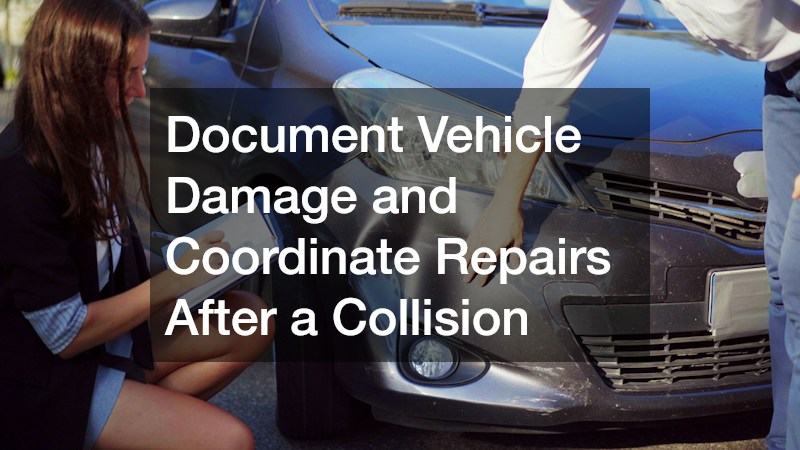
After an accident, document the damage and arrange appropriate repairs once everyone is safe. Collision repair addresses accident-related damage. Photograph the vehicle from several angles, capturing damaged panels, broken lights, and other visible concerns. Exchange information with the other driver and contact your insurer to understand the claims process before authorizing nonurgent work.
Auto repair, on the other hand, may involve mechanical problems or maintenance. Some incidents require both. When evaluating a repair facility, request a written estimate and compare the proposed work rather than choosing solely by price.
- Review the estimate: Check parts, labor, materials, and completion dates.
- Clarify insurance approval: Ask whether the insurer needs to inspect the vehicle first.
- Document additional damage: Request approval before unexpected work proceeds.
- Keep records: Save estimates, invoices, photographs, and communications.
Before collecting your vehicle, review the completed work and ask about remaining concerns. Retain paperwork to track expenses and address later questions.
Choose the Right Legal Help for Traffic-Related Disputes
Traffic citations and accident-related disagreements can involve deadlines, financial penalties, and consequences for driving privileges. Understand the allegation and available procedures before deciding how to respond.
Traffic lawyers can explain applicable rules, review a citation’s circumstances, and advise drivers about possible responses. Their role depends on the issue, jurisdiction, and services requested. A disputed ticket may require a different approach from an accident or license suspension case.
Gather documents connected to the incident so a lawyer can understand the situation and identify questions requiring further investigation.
- Keep a copy of the citation and court notices.
- Preserve photographs, witness details, and incident reports.
- Record response dates and hearing information.
- Ask about fees, communication expectations, and relevant experience.
Do not assume paying a citation is always the only option or that ignoring it will make the problem disappear. Procedures depend on local law and the violation. Early advice can help you understand your responsibilities and make decisions based on the circumstances.
Address Alcohol-Related Driving Charges With Informed Decisions
An alcohol-related driving charge can affect more than a driver’s immediate legal situation. Depending on the jurisdiction and circumstances, consequences may involve court proceedings, fines, driving privileges, insurance, and personal or professional concerns.
Drunk driving attorneys can explain allegations, applicable procedures, and potential legal options. They may review available evidence and explain the steps involved in responding to a charge. The appropriate strategy depends on the case, so general advice should not be treated as a prediction of the outcome.
Organize documents and deadlines after receiving a charge. Avoid discussing details publicly or interpreting evidence without legal guidance.
Important steps include:
- Review court notices: Record hearing dates and response deadlines.
- Preserve documents: Keep charging paperwork and relevant communications.
- Ask specific questions: Clarify potential consequences and procedures.
- Follow restrictions: Comply with court orders and driving limitations.
Do not ignore the charge or assume it will resolve itself. Prompt legal advice can help you understand the process and make informed decisions. Confirm requirements with a qualified attorney familiar with the jurisdiction.
Check Windshield Damage Before It Compromises Visibility

Windshield chips and cracks can interfere with visibility and affect structural performance. Damage that appears minor can spread because of temperature changes, road vibrations, or additional impacts.
Professional auto glass services can help determine whether a windshield can be repaired or requires replacement. The decision depends on the damage’s size, location, depth, and proximity to the driver’s line of sight. Damage may also affect cameras or sensors associated with driver-assistance systems.
Arrange an assessment if a crack is spreading or obstructing your view. Before approving work, ask about the recommended solution and any necessary calibration.
- Request a written estimate describing the proposed work.
- Ask whether replacement glass meets vehicle specifications.
- Confirm whether cameras or sensors require recalibration.
- Check insurance coverage and approval requirements.
Afterward, follow instructions about driving and vehicle care. Keep the invoice and calibration documentation with maintenance records. Suitable repairs can restore visibility and address damage before it becomes a larger concern.
Compare Dent Repair Methods Before Approving Bodywork
Dents can result from parking incidents, hail, minor collisions, or impacts from objects. The appropriate repair depends on panel material, dent depth, location, and paint condition.
Auto dent removal includes techniques for restoring damaged body panels. Some dents can be repaired without repainting, while others require conventional bodywork or replacement components. A professional assessment can identify a suitable method.
Paintless dent removal may work when paint remains intact, and the panel is accessible. It may not suit sharp creases, severely stretched metal, or damage involving cracked paint.
Ask the repair professional to explain the recommended technique and its limitations before comparing estimates.
- Inspect the damage: Identify affected panels and existing paint defects.
- Compare methods: Ask why one technique is preferable.
- Request an estimate: Review costs and expected completion time.
- Document the result: Keep photographs and repair records.
Avoid choosing on price alone. A lower estimate may not address hidden damage. Review completed work under suitable lighting and raise concerns with the repair facility before considering the job finished.
Protect Repaired Paint and Prevent Further Exterior Damage
Sunlight, road debris, environmental contaminants, and routine wear can affect a vehicle’s exterior. After bodywork, appropriate care can help maintain the finish and reduce exposure to further damage.
Available paint protections include protective films, surface coatings, and products designed to make cleaning easier. Options differ in application, durability, maintenance needs, and the protection provided. None can substitute for correcting underlying paint or body damage.
Ask whether a product is compatible with the vehicle’s finish and recently repaired panels. Freshly refinished surfaces may require specific care before additional products are applied.
Consider these steps:
- Ask how long repaired paint should cure before treatment.
- Compare product limitations and maintenance requirements.
- Review written terms and applicable coverage.
- Follow recommended washing and care procedures.
Photograph the vehicle before work begins, especially if scratches or chips already exist. Keep receipts and product information. Consistent cleaning and prompt attention to new damage can also maintain the exterior. Choose protection according to driving conditions and the vehicle’s needs rather than assuming every product offers identical benefits.
Keep Up With Emissions Requirements and Inspection Records
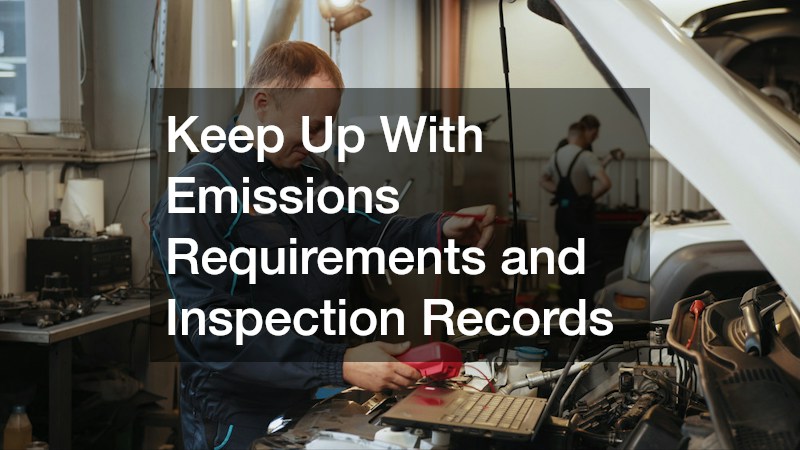
Vehicle inspection requirements vary by jurisdiction, vehicle type, and other criteria. Understand local rules and registration deadlines instead of assuming every vehicle follows the same schedule.
An emissions test evaluates whether a vehicle meets applicable emissions requirements. Depending on the inspection program, a failure may indicate a problem requiring diagnosis or repair before the vehicle can pass a subsequent test.
Check the relevant authority’s requirements before your deadline. Review maintenance history and address known warning lights or performance problems with a qualified technician.
If your vehicle fails an inspection:
- Review the test report to understand the failure.
- Ask a repair professional to diagnose the issue.
- Keep invoices and documentation for completed repairs.
- Confirm retesting procedures and deadlines.
Avoid replacing parts without understanding the cause. A diagnostic assessment can identify the problem and necessary work. Maintain inspection results and repair receipts to track recurring issues and prepare for future inspections. If you are unsure whether a requirement applies, consult the relevant authority or an authorized inspection provider.
Recognize Transmission Problems Before They Become Costly
Transmission problems can affect performance, reliability, and drivability. Warning signs may include delayed gear engagement, slipping, unusual noises, fluid leaks, or changes in acceleration.
Transmission services can include inspections, diagnostics, fluid maintenance, and repairs, depending on the vehicle and underlying problem. Because symptoms can have different causes, professional diagnosis is preferable to guessing which component needs replacement.
Consult your owner’s manual for maintenance recommendations. If you notice a new symptom, record when it occurs and whether it happens under particular driving conditions. This information may help a technician investigate.
When seeking an assessment:
- Describe symptoms and when they first appeared.
- Request a written diagnosis and estimate.
- Ask which repairs are necessary and which are optional.
- Compare proposed work and parts before authorizing repairs.
Do not ignore significant shifting changes or continued fluid leakage. If the vehicle seems unsafe to operate, arrange professional assistance instead of continuing to drive. Keep invoices and diagnostic reports to identify recurring issues and provide context if another repair facility evaluates the vehicle.
Preserve Evidence and Records When Repairs Follow an Incident
After an accident, disagreements may arise over damage, repair costs, insurance coverage, or responsibility. Organized records can help clarify what happened and what actions followed.
Photograph damage before repairs begin, and keep estimates, invoices, incident reports, and insurance communications. If a repair facility discovers additional damage, request documentation and an explanation before approving extra work.
Maintain a timeline of important conversations, decisions, and deadlines. Record call dates, relevant contacts, and instructions received.
Useful records include:
- Photographs of the vehicle and accident scene, when safely obtained.
- Written estimates and itemized repair invoices.
- Insurance correspondence and claim information.
- Reports describing additional damage or completed work.
If a disagreement develops, contact the insurer or an appropriate professional to understand the next steps. Traffic lawyers may be relevant when a dispute involves a citation or related legal issue; other disputes may require different legal assistance.
Documentation does not automatically establish fault or guarantee an outcome. However, accurate records can explain the sequence of events and support discussions about repairs, claims, or legal responsibilities. When possible, keep a dated record of every decision, including why a repair was approved, postponed, or declined, so you can explain the vehicle’s history clearly if questions arise during future service visits.
Establish a Maintenance Routine That Supports Safe Driving
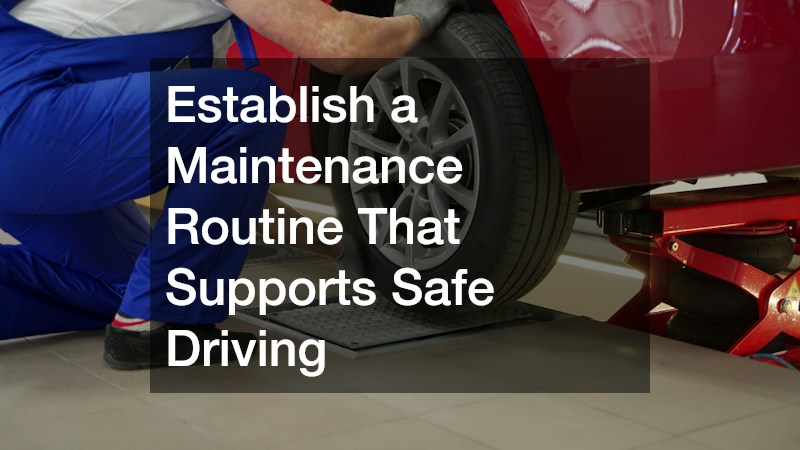
Routine maintenance helps drivers monitor vehicle condition and address developing problems before they cause further damage. Manufacturer recommendations are a practical starting point, although driving conditions and symptoms may require additional attention.
Schedule checks for tires, brakes, lights, fluids, and other components identified in the owner’s manual. Pay attention to warning lights, unusual sounds, leaks, and handling changes. When symptoms appear, arrange an assessment rather than waiting for scheduled service.
A useful maintenance routine includes:
- Tracking service dates, mileage, and recommended follow-up.
- Keeping invoices and inspection reports together.
- Addressing safety-related defects promptly.
- Asking technicians to explain unexpected recommendations.
Regular auto repair and maintenance can help keep a vehicle in suitable operating condition, but each repair should address an identified need. Request written explanations when recommendations are unclear, particularly if several repairs are proposed.
Review records periodically to identify overdue work and recurring problems. A consistent system can also help when selling the vehicle or seeking a second opinion. Staying organized makes it easier to understand the vehicle’s history, plan expenses, and make informed repair decisions.
Vehicle repairs and legal issues can require careful decisions, particularly after an accident, a traffic citation, or a mechanical problem. Drivers can manage these situations by documenting damage, comparing estimates, understanding inspection requirements, and keeping accurate records.
Professional guidance is valuable when a problem requires specialized knowledge. Repair technicians can assess vehicle damage and mechanical concerns, while qualified legal counsel can explain applicable procedures and responsibilities. Insurance representatives and inspection authorities can clarify requirements within their roles.
Avoid delaying urgent safety repairs, overlooking legal deadlines, or authorizing substantial work without understanding the proposed solution. Keep estimates, invoices, reports, and relevant communications so you can refer to them when questions arise.
A proactive approach helps drivers make informed choices about vehicle condition, maintenance, and incident-related responsibilities. By staying organized and seeking appropriate advice, you can address problems more confidently and make decisions based on circumstances rather than assumptions.